
⋆Welcome To the Club⋆
࿇°✧• We'll soon be announcing our next book club sessions! Each session, you are welcome to either join in as a reader or enjoy listening at your own leisure. We share a very relaxed space, so no need to be or do anything! We may have a light discussion at the end of each session to allow some sharing of thoughts and insights we might have.
In the meantime, please sign up to receive updates and check out some of the reading we've gone through already below!
⋆What We've Read
before⋆
☾₊˚.⋆As suggested by our guide and teacher, Dsongsar Khyentse Rinpoche, and in light of exploring the wisdom of Anicca (Impermanence), we recently read the book The Death of Ivan Ilyich by Leo Tolstoy.
Across a series of Zoom gatherings, we explored the strange tenderness and quiet terror woven through the story. It hit home as it peeled back the polite wallpaper of ordinary life and asked what remains when certainty begins to flicker. Together, we reflected on impermanence not as an abstract philosophy, but as something intimate, immediate, and deeply human; discovering, in the process, moments of honesty, humour, vulnerability, and unexpected connection across the digital space.

═══════ °✴•°⋆⋅༆⋅⋆°•✴° ═══════
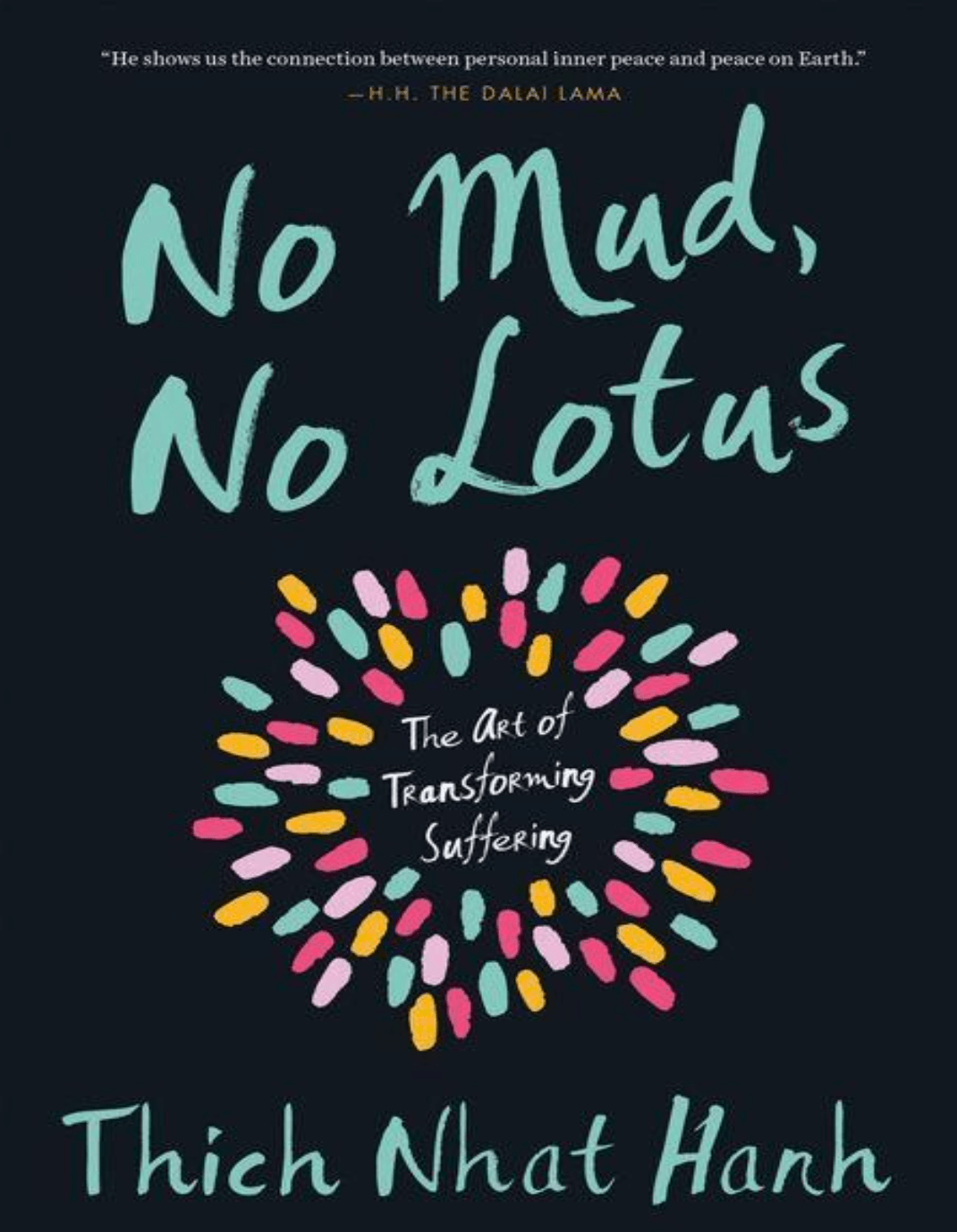
☽₊˚.⋆Bardo Café Book Club recently explored "No Mud, No Lotus" by Thich Nhat Hanh, a book that facilitated contemplation on dukkha. Reading this book together was both grounding and surprisingly fun — each chapter opened space for honest reflection, laughter, and meaningful sharing as we connected the teachings to our own lives.
Through Thich Nhat Hanh’s simple yet profound insights on mindfulness, emotions, and transformation, our conversations naturally deepened, turning reading into a shared practice rather than a solitary activity. More than just enjoying a beautiful book, we enjoyed each other: listening, learning, and discovering how community itself can be a living expression of mindfulness, compassion, and joy.
═══════ °✴•°⋆⋅༆⋅⋆°•✴° ═══════
⋆Memorable quotes from
"No Mud, No Lotus"⋆
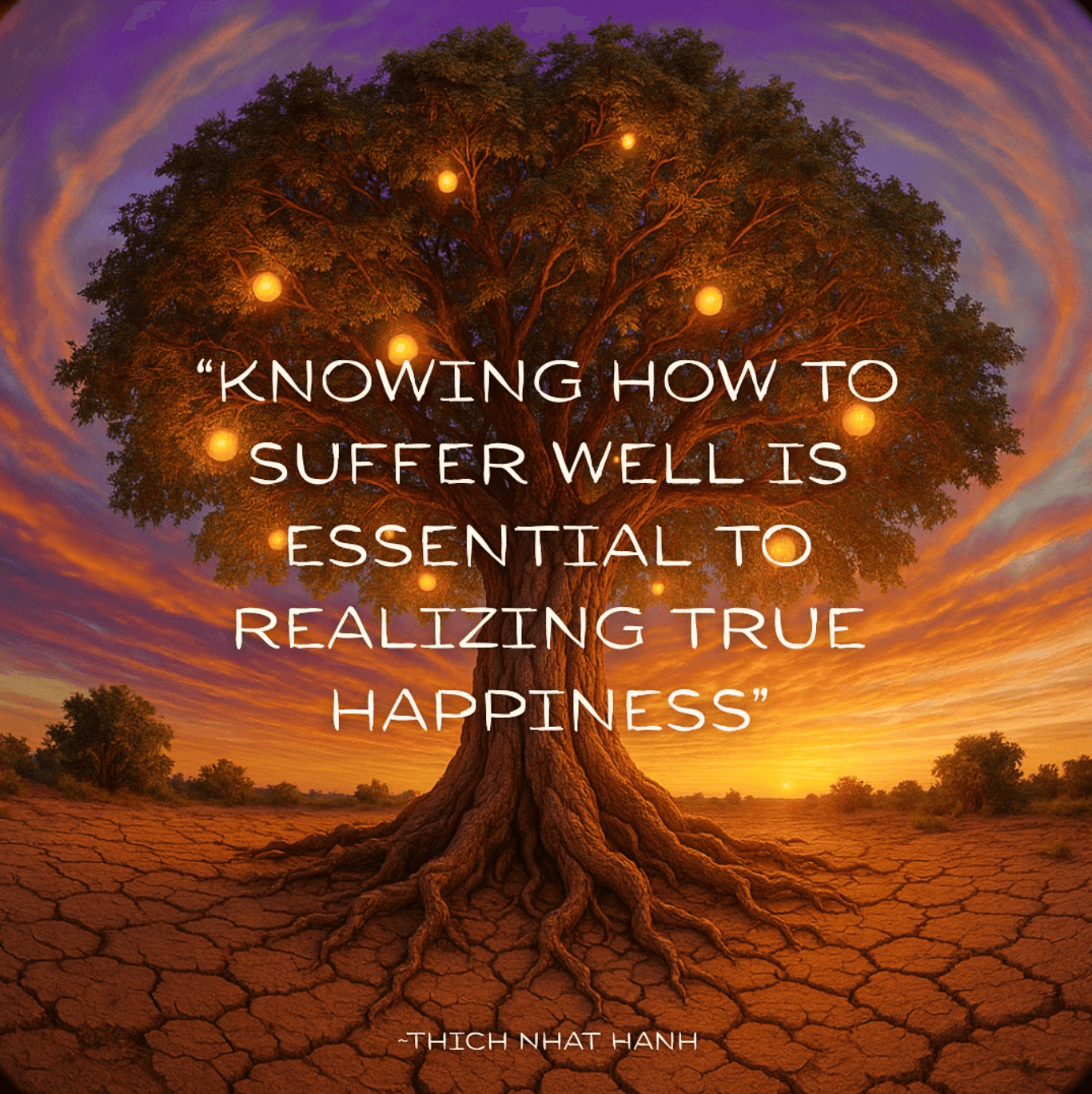
⧂₊˚.⋆“If we focus exclusively on pursuing happiness, we may regard suffering as something to be ignored or resisted. We think of it as something that gets in the way of happiness. But the art of happiness is also and at the same time the art of knowing how to suffer well. If we know how to use our suffering, we can transform it and suffer much less. Knowing how to suffer well is essential to realizing true happiness.”
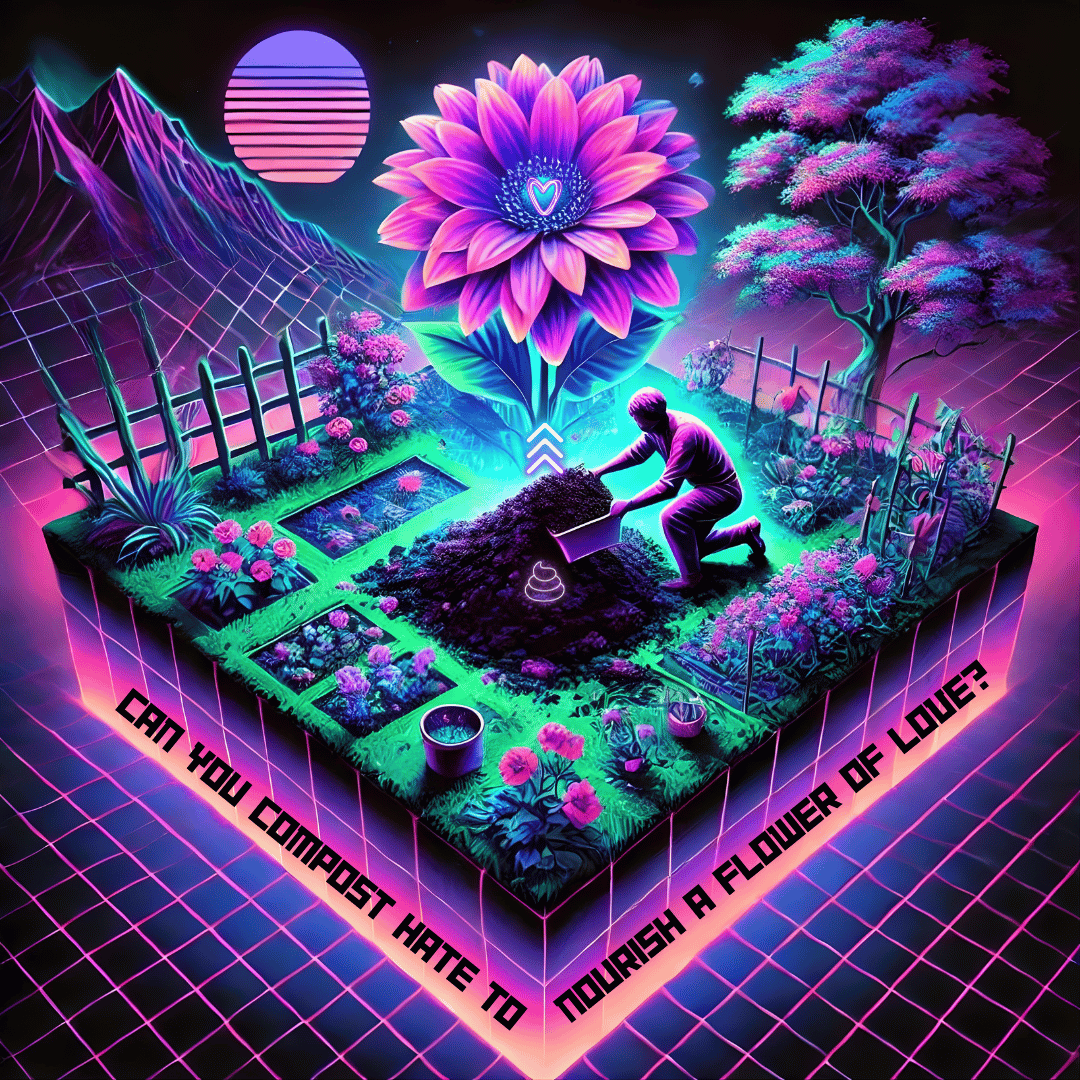
❍₊˚.⋆“You can live in such a way that shows compassion is possible in any situation. Set an example, even if it’s a small one; other people can learn from it. The best way to help others lessen their fear, craving, and violence is to show them there is another way. If love has degenerated into hate, it’s possible for you to turn the garbage of that hate into a kind of compost to nourish the flower of love to bloom again.”
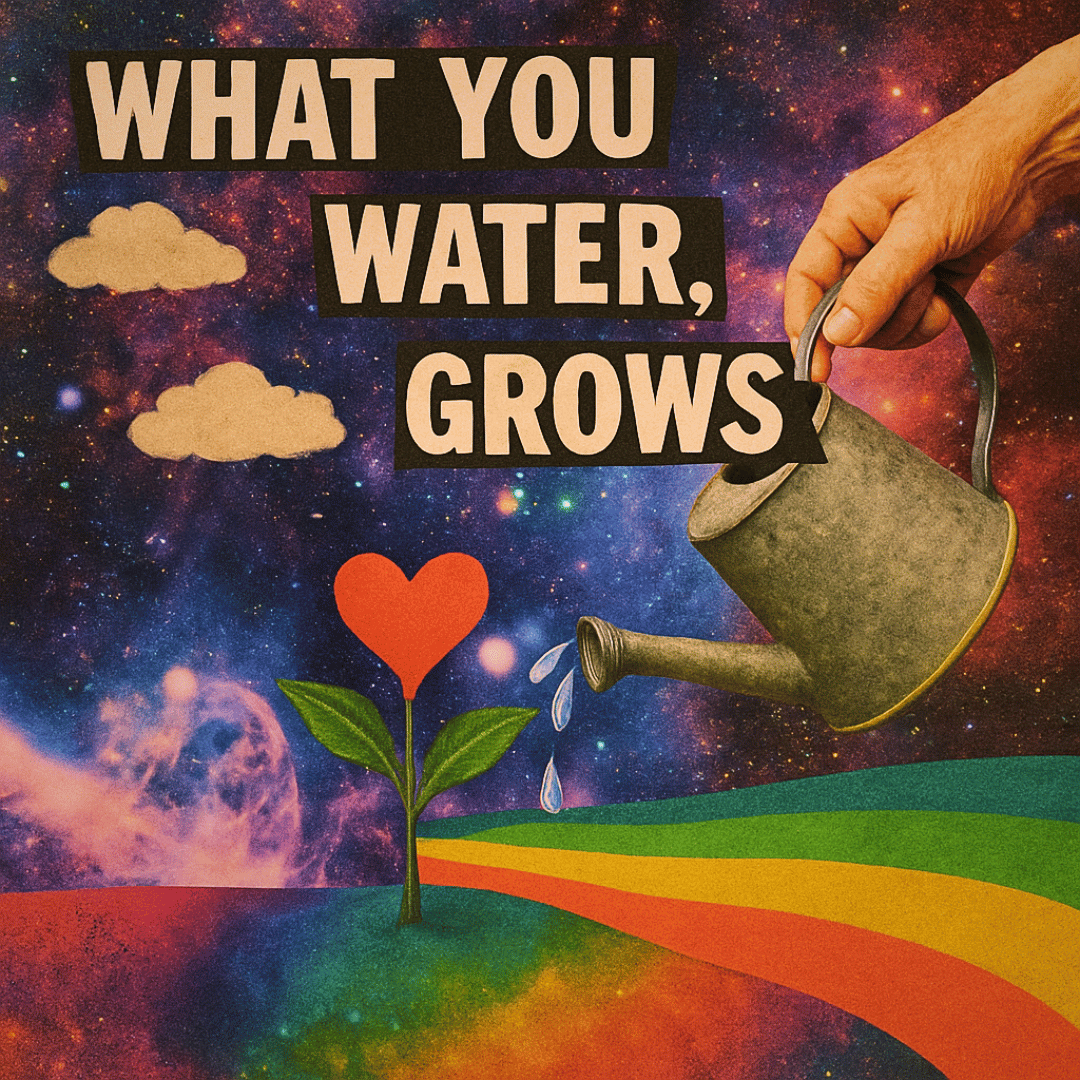
✧₊˚.⋆“We each have many kinds of “seeds” lying deep in our consciousness. Those we water are the ones that sprout, come up into our awareness, and manifest outwardly. So in our own consciousness there is hell, and there is also paradise.
We are capable of being compassionate, understanding, and joyful. If we pay attention only to the negative things in us, especially the suffering of past hurts, we are wallowing in our sorrows and not getting any positive nourishment.
We can practice appropriate attention, watering the wholesome qualities in us by touching the positive things that are always available inside and around us. That is good food for our mind.”
⧂₊˚.⋆“If we focus exclusively on pursuing happiness, we may regard suffering as something to be ignored or resisted. We think of it as something that gets in the way of happiness. But the art of happiness is also and at the same time the art of knowing how to suffer well. If we know how to use our suffering, we can transform it and suffer much less. Knowing how to suffer well is essential to realizing true happiness.”
❍₊˚.⋆“You can live in such a way that shows compassion is possible in any situation. Set an example, even if it’s a small one; other people can learn from it. The best way to help others lessen their fear, craving, and violence is to show them there is another way. If love has degenerated into hate, it’s possible for you to turn the garbage of that hate into a kind of compost to nourish the flower of love to bloom again.”
✧₊˚.⋆“We each have many kinds of “seeds” lying deep in our consciousness. Those we water are the ones that sprout, come up into our awareness, and manifest outwardly. So in our own consciousness there is hell, and there is also paradise.
We are capable of being compassionate, understanding, and joyful. If we pay attention only to the negative things in us, especially the suffering of past hurts, we are wallowing in our sorrows and not getting any positive nourishment.
We can practice appropriate attention, watering the wholesome qualities in us by touching the positive things that are always available inside and around us. That is good food for our mind.”